
“A veterinary anaesthesia specialist is focused on one thing: helping pets stay as safe, stable, and comfortable as possible before, during, and after surgery.”
What does a veterinary anaesthesia specialist actually do during surgery?
19 May, 2026
/
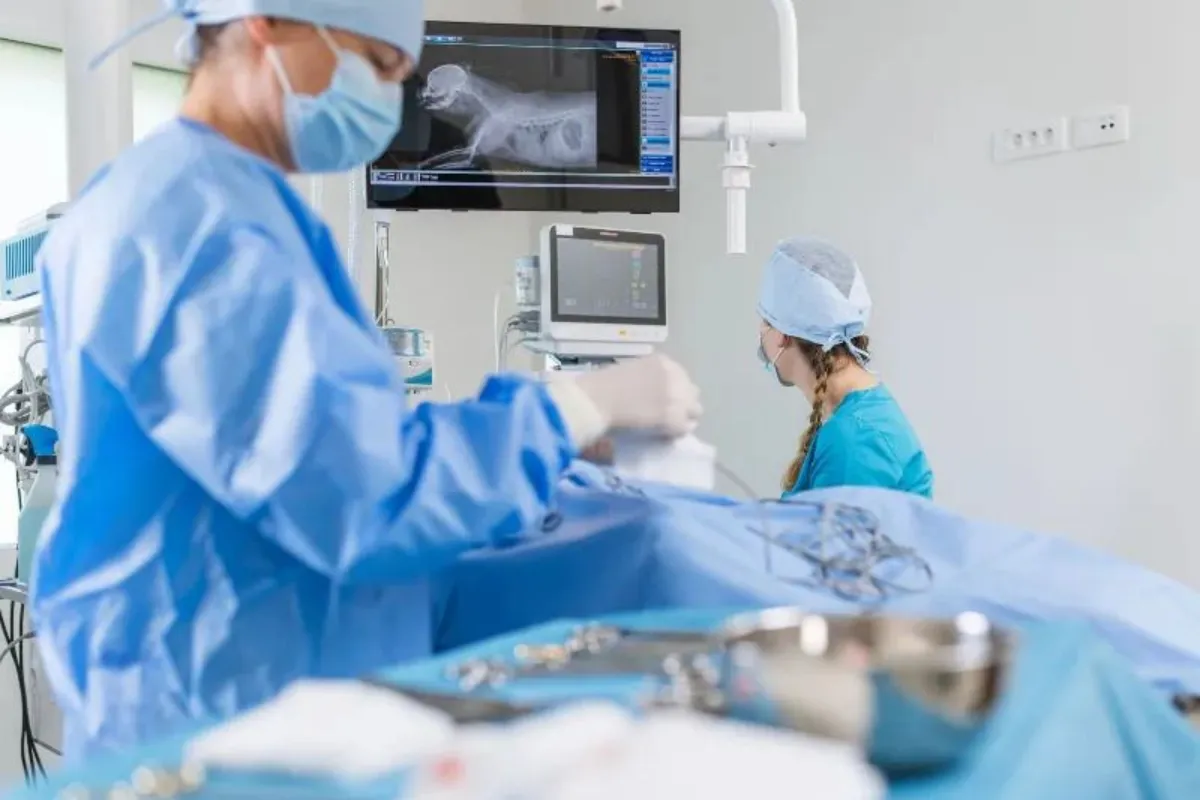
For many pet owners, the thought of their dog or cat undergoing surgery can be stressful. One of the biggest concerns is often the anaesthetic itself. Questions like “Will my pet be safe?” or “Who monitors them during surgery?” are completely natural.
This is where a veterinary anaesthesia specialist plays a vital role. While most people understand the importance of a surgeon, fewer realise there may also be a veterinarian dedicated entirely to managing anaesthesia, pain relief, and patient safety throughout the procedure. Veterinary anaesthesia specialists are highly trained experts focused on one thing: helping pets stay as safe, stable, and comfortable as possible before, during, and after surgery.
More than “putting pets to sleep”
Anaesthesia is far more complex than simply giving medication to make a pet unconscious. A specialist veterinary anaesthetist carefully manages every stage of the process, including:
- Assessing your pet’s health before surgery
- Designing a tailored anaesthetic plan
- Choosing the safest medications
- Monitoring vital signs continuously
- Managing pain during and after surgery
- Supporting recovery until your pet is stable
Every pet responds differently to anaesthesia depending on their breed, age, medical conditions, temperament, and the type of procedure they need. A specialist’s role is to tailor the anaesthetic plan to your pet’s individual needs.
The pre-surgery assessment
Before the surgery, the anaesthesia specialist performs a detailed assessment. This may include reviewing medical history, current medications, blood test results, heart or breathing concerns, previous anaesthetic experiences and breed-specific risks.
Certain pets are considered higher risk under anaesthesia, including:
- Flat-faced breeds like French Bulldogs and Pugs
- Senior pets
- Very small patients
- Pets with heart, liver, or kidney disease
- Emergency or critically ill patients
I use this information to reduce risk and prepare for potential complications before they happen.
Creating an individual anaesthetic plan
No two anaesthetic procedures are the same. A veterinary anaesthesia specialist selects medications and techniques based on the individual patient and the surgical procedure. I will always determine which sedatives and anaesthetic drugs are safest and the appropriate dosages. Design pain-relief methods and fluid-therapy requirements, employ ventilation support if needed, and create recovery and monitoring plans.
For some pets, local nerve blocks or advanced pain management techniques may also be used to reduce discomfort and minimise the amount of general anaesthetic required.
One of the more important responsibilities is continuous monitoring during surgery. While the surgeon focuses on the procedure itself, I concentrate solely on your pet’s well-being, closely monitoring the heart rate and rhythm, blood pressure, oxygen levels, breathing and carbon dioxide levels, temperature, depth of anaesthesia and pain response.
Advanced monitoring equipment helps detect even subtle changes quickly, so adjustments can be made immediately if needed. This constant attention is particularly important for complex or lengthy procedures, during which patients may become unstable.
Pain management and recovery
While ensuring the patient’s safety is significant, pain management is another part of the specialist’s role. Modern veterinary medicine recognises that quality pain control is essential not only for comfort but also for recovery and healing. Veterinary anaesthesia specialists are trained in advanced analgesia techniques designed to minimise pain before, during, and after surgery. This may involve:
- Multimodal pain relief medications
- Epidurals
- Local anaesthetic blocks
- Constant pain infusions
- Tailored recovery medications
Effective pain management can help pets recover faster, eat sooner, and experience less stress after surgery.
My role doesn’t end when the surgery finishes. In fact, the recovery period is one of the most critical stages. Pets waking from anaesthesia can experience breathing difficulties, temperature instability, pain, or confusion.
I will carefully supervise recovery to ensure patients remain stable and comfortable until they are fully awake and safe.
“Modern veterinary medicine recognises that quality pain control is essential not only for comfort but also for recovery and healing.”
Why specialist anaesthesia matters
Complications related to anaesthesia are uncommon, but when they do occur, fast and expert intervention makes a significant difference. My expertise becomes especially valuable for:
- High-risk pets
- Complex surgeries
- Emergency procedures
- Advanced dental treatments
- Neurological or cardiac cases
- Pets with chronic illness
For pet owners, having a specialist involved can provide reassurance that every aspect of safety, monitoring, and comfort is being managed with exceptional attention to detail.
Surgery can feel overwhelming when your beloved pet is involved. But understanding the role of a veterinary anaesthesia specialist can help ease some of that anxiety. When your pet requires a complex or high-risk procedure, specialist anaesthesia care can make a meaningful difference in safety and recovery outcomes.

Helping pet owners understand the importance of quality healthcare
I aim to help pet owners and veterinarians understand why specialised anaesthesia matters and provide a trustworthy resource where you can find qualified, easy-to-understand information about every stage of the anaesthetic journey. From preparation to full recovery, I wish to ensure every pet receives the focused, one-on-one attention they deserve.
Visit The Anaesthesia Vet website for more information or book a consultation today.
Anaesthesia Services
Mobile expertise that elevates surgical outcomes through precision monitoring, targeted pain relief, and exclusive one-to-one attention.

Consultant Anaesthesia
Expert anaesthetic services for complex surgical procedures and medically compromised vulnerable patients.

Pain Management
Tailored strategies to prevent, control, and eliminate discomfort throughout recovery.

Palliative Care
Compassionate comfort-focused care ensuring dignity and peace for end-of-life patients.

Telehealth
Remote consultations for anaesthetic planning, risk assessment, and owner guidance.
Trusted by Vets. Valued by Families.
When complex cases demand specialist expertise, collaboration matters. Our anaesthetic partnership enhances patient outcomes while supporting your practice goals, providing seamless integration and clinical excellence for challenging procedures.

Specialist Anaesthetist
Focused on complex, high-risk cases, and there until your patient is stable.

Mobile, Personalised Clinic Care
We bring advanced equipment, specialist protocols, and tailored anaesthetic plans.

Dedicated
Throughout
One specialist focused on your patient from pre-op assessment to recovery.

Advanced Monitoring & Gold Standard Care
Advanced monitoring techniques and specialist equipment to protect the most vulnerable patients.

Supporting Teams & Clients
Clear clinical communication, transparent discussions, and coordinated care that builds confidence.

Trusted Across Queensland
Professional partnerships with leading practices throughout Brisbane, Gold Coast, and Sunshine Coast.
FAQs
What does a veterinary anaesthesia specialist do during surgery?
A veterinary anaesthesia specialist manages your pet’s anaesthetic, pain relief, and safety before, during, and after surgery. They carefully monitor vital signs and adjust medications as needed to keep patients stable and comfortable throughout the procedure.
Why is anaesthesia more complex than simply “putting pets to sleep”?
Anaesthesia involves much more than making a pet unconscious. A specialist creates an individual anaesthetic plan, continuously monitors vital functions, manages pain, and supports recovery to reduce risks and improve outcomes.
How does The Anaesthesia Vet help companion animals stay safe during surgery?
The Anaesthesia Vet provides continuous one-on-one monitoring of companion animals during surgery, tracking heart rate, breathing rate, blood pressure, oxygen levels, and temperature. This allows any changes to be identified and managed immediately, keeping pets as safe and stable as possible.
How does The Anaesthesia Vet support companion animals recovering from surgery?
The Anaesthesia Vet carefully supervises pets as they wake from anaesthesia to manage pain, breathing, temperature, and comfort. This focused recovery care helps companion animals remain calm, stable, and safe until they are fully awake.
Which pets are considered higher risk under anaesthesia?
Higher-risk patients can include flat-faced breeds like French Bulldogs and Pugs, senior pets, very small animals, and pets with heart, liver, or kidney disease. Emergency and critically ill patients may also require more advanced anaesthetic care.
Why is an individual anaesthetic plan important?
Every pet responds differently to anaesthesia based on factors such as age, breed, medical history, and the type of surgery required. Tailoring the anaesthetic plan helps improve safety, comfort, and recovery.
What types of pain management techniques are used during surgery?
Veterinary anaesthesia specialists may use multimodal pain relief, epidurals, local anaesthetic blocks, and constant pain infusions. These techniques help reduce discomfort and can lower the amount of general anaesthetic needed.
Why does specialist anaesthesia care matter for pets?
Although anaesthetic complications are uncommon, specialist care allows fast intervention if problems arise. This expertise is especially valuable during complex surgeries, emergency procedures, and for pets with chronic illness or other health risks.
“I cannot recommend Dr Kieren Maddern highly enough. She has cared for both of my tiny, health-compromised Pomeranians, who are high risk when it comes to anaesthesia. As a very anxious owner, the thought of putting them under is always stressful, but knowing Dr Kieren is in control makes all the difference.”
M Vincent - Pet Owner
“Working with Kieren brings a sense of calm and confidence to even the most complex cases. With her managing anaesthesia, we can focus entirely on dentistry, knowing every detail of patient safety is being handled with care and precision.”
Dr Aaron & Dr Bec, Advanced Animal Dentistry
“Kieren shares our passion for cats. Her specialist training and knowledge allowed us to safely pursue treatments that required anaesthesia in a manner that ensured the utmost safety for Mr Gibbs. Her level of planning, communication, and care was extraordinary.“